This mac and cheese for two uses evaporated milk, cheddar, and Monterey Jack to make a small stovetop dinner without flour or a roux. Cook a little macaroni, warm the milk gently, then melt in the freshly grated cheese away from strong heat. There is no baking dish to fill and no large pan of leftovers to plan around.
The recipe makes two modest main-dish portions or four small sides. It is best eaten as soon as the sauce is ready. Keep a little pasta water nearby so you can loosen the sauce by the spoonful instead of turning a creamy bowl into soup.
Jump to recipe · Which canned milk? · Sauce troubleshooting · Storage
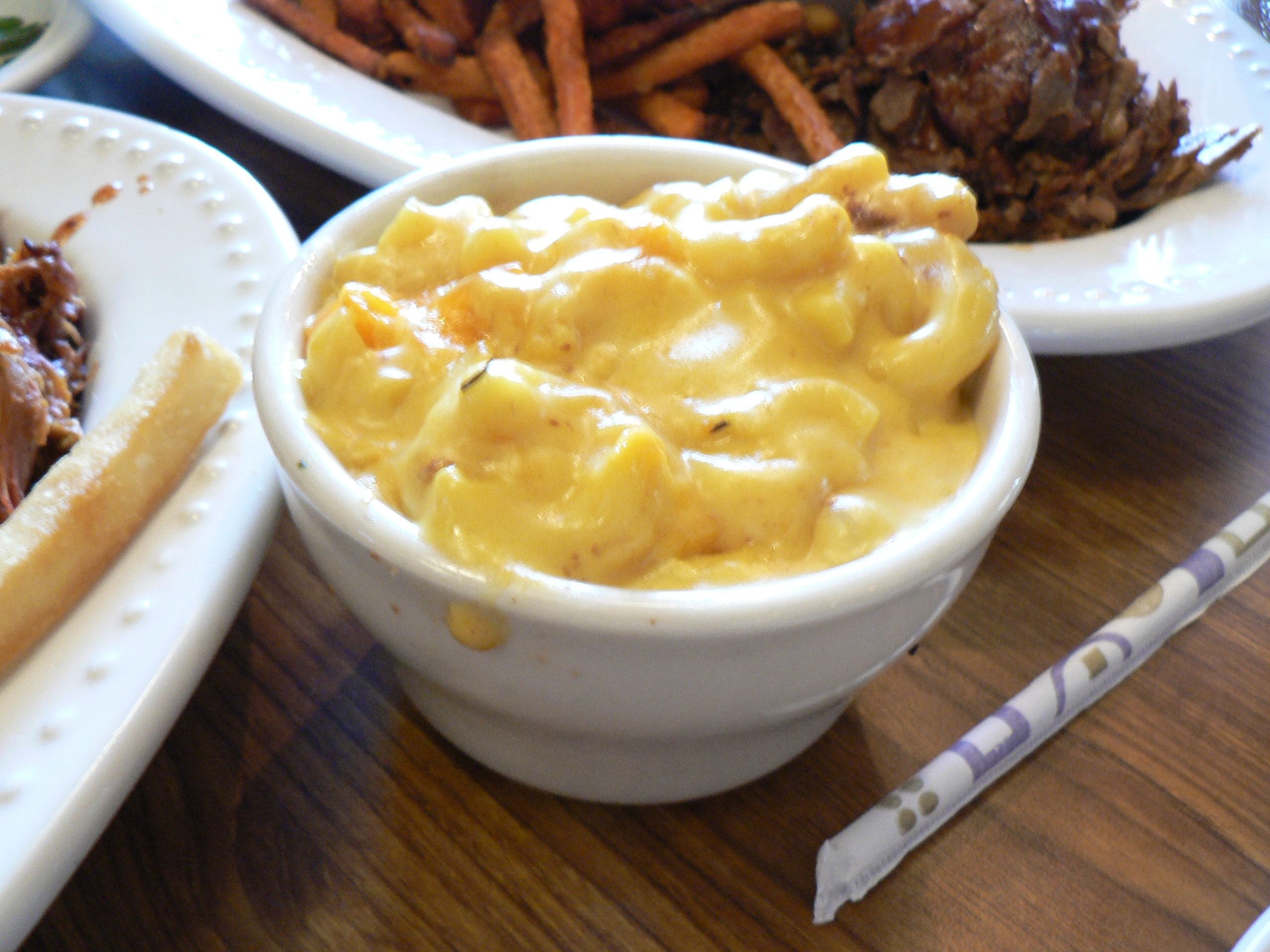

Use evaporated milk, not sweetened condensed milk
Check the front of the can for evaporated milk. This recipe uses the unsweetened, whole-milk version. Sweetened condensed milk has added sugar and will make a very different dish; it is not a substitute here.
Evaporated milk provides a concentrated milk base for the cheese sauce. The cheese and a small amount of starchy pasta water give the sauce body without a separate flour-and-butter paste. This is still a dairy sauce, and the regular macaroni contains wheat: “no flour added” does not mean dairy-free or gluten-free.
Mac and Cheese for Two Recipe
Prep: 5 minutes · Cook: about 15 minutes · Total: about 20 minutes · Yield: 2 modest main servings or 4 small sides. The timing assumes a short-cooking elbow macaroni; follow your package if it needs longer.
Equipment: medium saucepan, colander, cheese grater, measuring cup, and spoon or silicone spatula.
Ingredients
- 4 ounces dry elbow macaroni (113 g)
- 3 ounces mild or medium cheddar, freshly grated (85 g)
- 1 ounce Monterey Jack, freshly grated (28 g)
- 1/2 cup unsweetened whole evaporated milk (120 ml)
- 1 teaspoon unsalted butter
- 1/4 teaspoon dry mustard powder, optional
- 1/8 teaspoon ground black pepper, or to taste
- Salt for the pasta water and to taste
- Up to 1/4 cup reserved pasta cooking water, added only as needed
Instructions
- Prepare the cheese. Grate the cheddar and Monterey Jack before cooking. Measure the evaporated milk and seasonings so they are ready when the pasta is drained.
- Cook the macaroni. Bring about 1 quart of water to a boil in a medium saucepan and salt it lightly. Add the macaroni and cook according to the package until just tender, stirring occasionally. Before draining, scoop out at least 1/2 cup of the cooking water. Drain the pasta; do not rinse it.
- Warm the sauce base. Return the empty saucepan to low heat. Add the evaporated milk, butter, mustard powder if using, and pepper. Stir for about 1–2 minutes, just until the butter melts and the milk is steaming. Do not bring it to a rolling boil.
- Melt the cheese gently. Take the saucepan off the heat. Add the grated cheeses in three small additions, stirring each one until mostly melted before adding the next. If the cheese needs more warmth, return the pan to the lowest heat briefly while stirring, then remove it again. Avoid boiling the cheese sauce.
- Combine and adjust. Stir in the hot drained macaroni. Add reserved pasta water 1 tablespoon at a time only if needed, up to 1/4 cup, until the sauce coats the elbows and falls gently from a spoon. Taste before adding more salt. Serve immediately in two bowls; the sauce will thicken as it stands.
Three details that help the sauce
Grate the cheese before you start
A block of cheese lets you make fine shreds that melt quickly. Pre-shredded cheese can include coatings that change how it melts, so it may give a less even sauce. Mild or medium cheddar brings flavor, while Monterey Jack adds a milder melting cheese. Very aged cheddar can be less forgiving under heat.
Take the pot off the burner to add cheese
The hot milk and pan provide plenty of warmth for fine shreds. Add the cheese gradually and stir before deciding it needs more heat. If the saucepan has cooled too much, a brief return to the lowest setting is enough; keep the sauce below a boil.
Save the water before draining
Put a measuring cup beside the sink as a reminder. You may not need the full 1/4 cup listed in the recipe. Add one tablespoon, stir, and look at the texture before adding another. The goal is a coating that clings to the pasta while still moving freely.
Troubleshooting a small pan of cheese sauce
- The sauce gets too thick: take it off the heat and stir in a tablespoon of warm pasta water. Repeat only as needed. Cooling and standing both make the sauce firmer.
- The sauce looks thin: fold in the pasta and let it stand off the heat for a minute. Avoid a long, hard boil to force it thicker; that can damage the cheese texture.
- The cheese forms small clumps: stop adding cheese, lower the heat or remove the pan, and stir. Add a small splash of warm liquid. Fine shreds and smaller additions help on the next batch.
- The sauce is oily or grainy: remove it from the heat and gently stir in a little warm water. This may improve it, but a badly separated sauce will not always become perfectly smooth again.
- It tastes too salty: do not add more cheese to fix the texture. Next time, salt the pasta water more lightly and taste the finished sauce before seasoning.
What to serve alongside it
A simple salad, sliced tomatoes, or steamed green beans balance the richness. For a comfort-food dinner with smaller portions of each dish, serve it as a side with small-batch slow cooker turkey chili. Put the chili and macaroni in separate bowls so each keeps its own texture.
For another chicken-and-bean dinner idea, try white chicken chili without cream cheese. Its lime and green-chile flavors give a different direction for another night.
Storing and reheating leftovers
This sauce is at its smoothest when freshly made. If you have leftovers, divide them into shallow containers and refrigerate within 2 hours, or within 1 hour when the surrounding temperature exceeds 90°F. Keep the refrigerator at 40°F or below and use within 3–4 days.
Reheat only the portion you need. Add a splash of milk or water, cover loosely, and warm on the stove over gentle heat, stirring frequently. In the microwave, use a vented microwave-safe cover and short intervals, stirring between them. In either case, check that the food reaches 165°F throughout. The reheated sauce may be less silky than the fresh version. These temperature and storage directions follow USDA leftovers guidance.
Freezing is possible, but it can make this cheese sauce grainy and the pasta softer. For a batch this small, refrigerating portions you will eat soon is usually more practical. Transfer any unused evaporated milk to a covered food-safe container, refrigerate, and follow the can's storage instructions.
Frequently asked questions
Can I use regular milk instead?
This recipe is written for evaporated milk. A direct swap to whole milk produces a thinner base and may need a different balance of cheese and liquid. Use the specified milk for this version rather than trying to reduce ordinary milk in the sauce pan.
Can I use a different pasta?
Small shells can replace elbows by the same dry weight. Their cooking time and how much sauce they hold can differ, so use the package timing and adjust the final sauce with small additions of water. Large pasta shapes are less convenient for this small batch.
Can I double it?
Yes. Double the measured ingredients and use a saucepan with enough room to stir comfortably. Add water for the finished sauce gradually rather than pouring in the full doubled allowance. The pasta's package cooking time still matters more than the batch size.
Can I bake it for a crisp top?
This is a stovetop recipe and does not include a baking step. Baking can absorb more liquid and dry the sauce. Choose a recipe designed for baking if you want a casserole with a browned top.